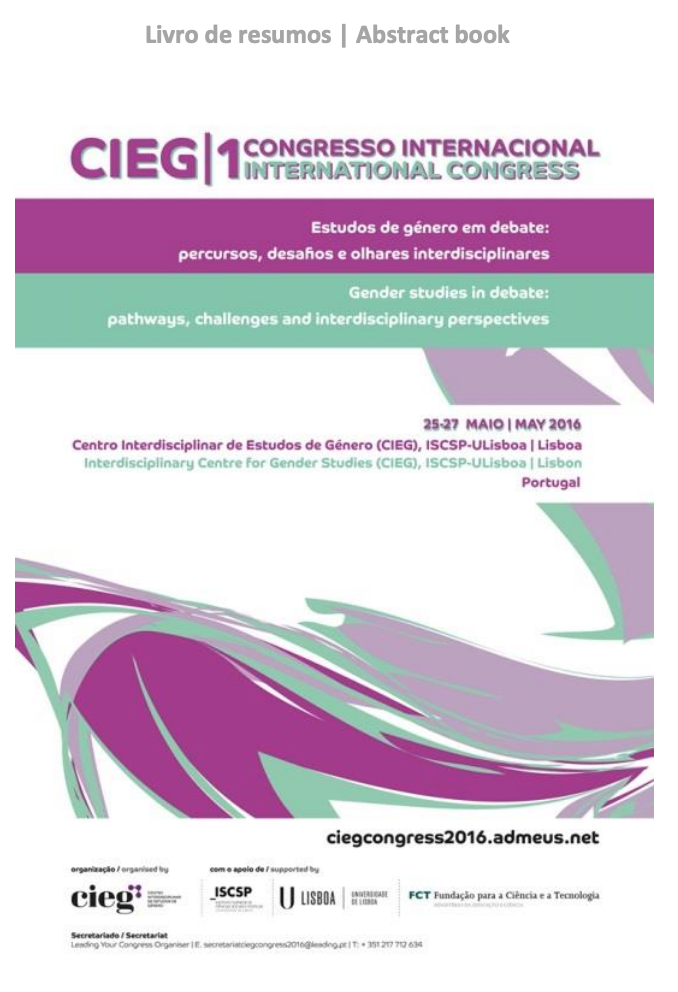
You can see all the information, in portuguese and in english, about the II CIEG International Congress here.
Estudos de Género, Feministas e sobre as Mulheres: Reflexividade, resistência e ação
Em nome da Comissão Executiva do II congresso Internacional do CIEG, Centro Interdisciplinar de Estudos de Género, que terá lugar de 24 a 26 de Julho de 2019, quero dar-vos as boas vindas.
Os temas em debate no Congresso necessitam do contributo de todos e todas. Pretendemos, entre outras questões prementes, aprofundar o conhecimento sobre as problemáticas de género vividas na atualidade, identificando avanços e progressos mas também recuos e resistências, localizando as desigualdades nos seus diferentes planos e intersecções, refletindo sobre os mecanismos de promoção da igualdade de género e o seu impacto nas políticas públicas ao nível nacional e global.
E esperamos que o conhecimento produzido através deste intercâmbio, que desejamos intenso, seja também instrumental no combate às desigualdades sociais, ao sexismo, à homofobia, ao racismo e a todas as formas de discriminação que hoje ameaçam o quotidiano e o bem estar de milhões de cidadãos e cidadãs do nosso planeta.
Contamos com 3 keynote speakers de grande relevo internacional, com 3 mesas redondas plenárias focando temas prementes e atuais, com 9 mesas semi-plenárias e ainda com cerca de 170 comunicações sobre tópicos variados do vasto campo de conhecimento que constitui este domínio científico.
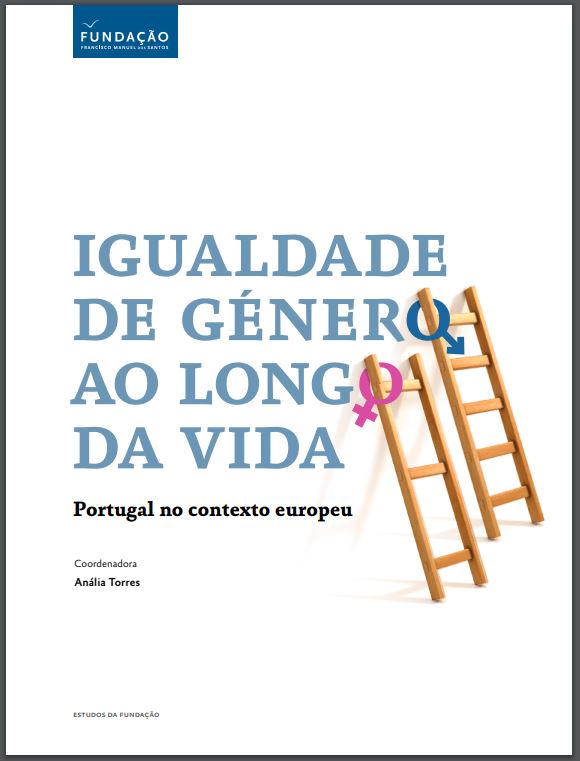
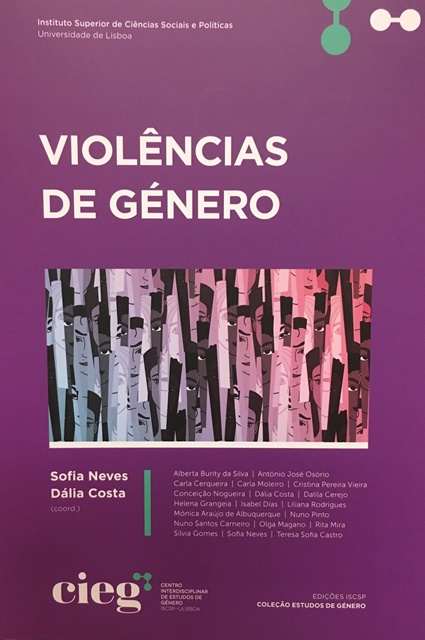
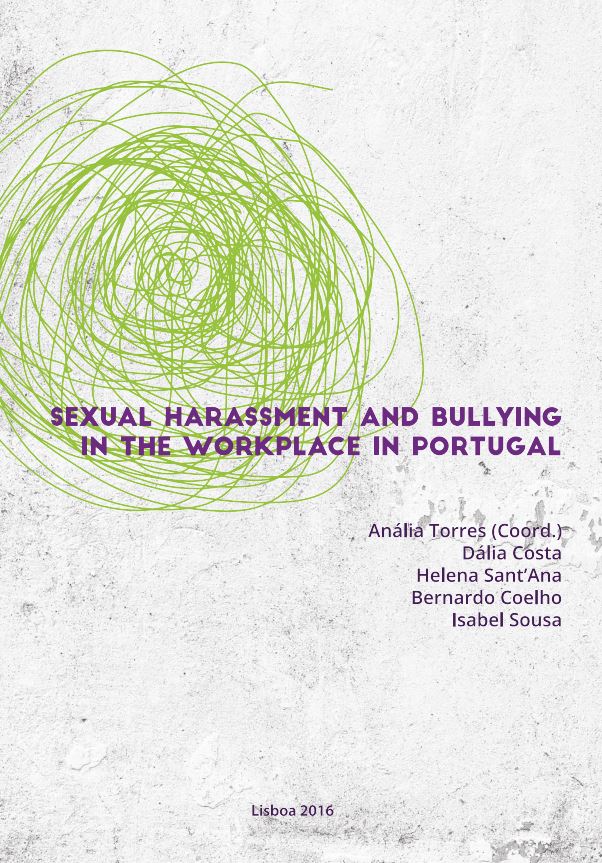
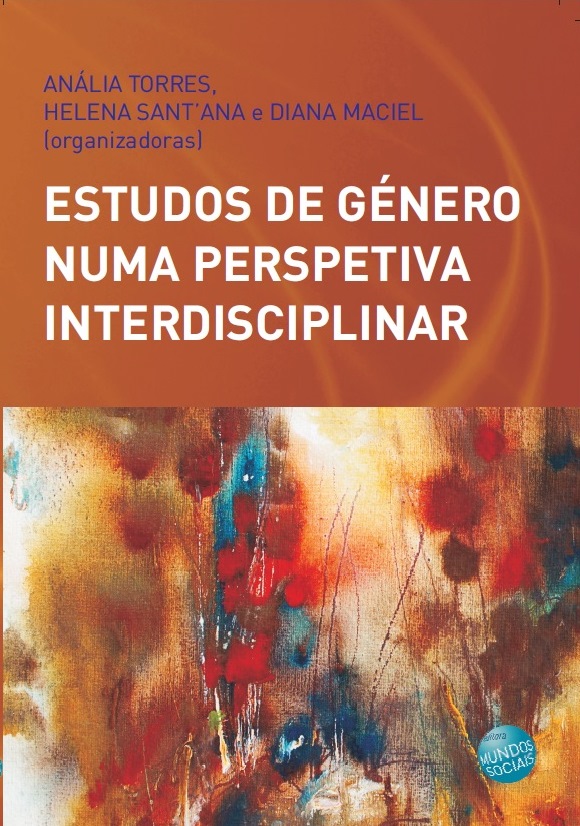
Quando em 2016 organizámos o nosso primeiro Congresso conseguimos juntar congressistas de várias partes do mundo – em 270 participantes só 40 vinham de Portugal – excedendo as nossas expectativas. Os debates foram vivos, decorreram de forma muito cordial e deram origem a dois livros, como pode ser verificado também no site do CIEG, e aqui, com textos de enorme relevância para o aprofundamento dos estudos de Género, Feministas e sobre as Mulheres.
Esperamos que desfrutem dos encontros, dos debates e também da cidade de Lisboa e que regressem a casa com vontade de voltar para o próximo congresso.
Anália Torres
Coordenadora da Comissão Executiva do Congresso

You can find further information regarding the Congress' programme here.
It is with great joy that we share that CIEG maintains the grade of Excellent after the visit of the international evaluators’ panel within FCT’s Evaluation Process of R&D Units 2017/2018. Acknowledging the merit of the Center’s activity through its seven years of existence, the panel highlighted “the astonishing level of vibrancy and quality in productivity” evidenced by the ratio of publications per researcher (around 2/3 in English); by the success rate of the stream of national and international projects; by the internationalization of the Center’s activities and their social impact, and in the plan of public policies, as well as by the excellence of the strategic plan presented.
The evaluation results can be found here.
In 2014, through public tender, CIEG was selected to undertake, once again, the Evaluation of applications to the 11th edition of the Equality is Quality Award (“Avaliação das candidaturas à 11.ª edição do Prémio Igualdade é Qualidade”) (project budget: 17.200€), for the Commission for Citizenship and Gender Equality (CIG-Comissão para a Cidadania e Igualdade de Género). In this edition, the project involved a systematic technical assessment of the 17 applications submitted to the award.
CIEG’s Team involved in this project included AnáliaTorres (coord.), Helena Sant'Ana and Dália Costa.
From 2013 to 2015, following a national grant competition, the research project Epiteen24: Reproducing or going against social destiny? A longitudinal study of a cohort born in the 90s of the 20th century in Portugal (Epiteen24: Reproduzir ou contrariar o destino social? Estudo longitudinal de uma geração nascida nos anos 90 do século XX em Portugal) (project budget: 181.968€), was undertaken in collaboration with the Institute of Public Health of the University of Porto, in Portugal. The project aimed to analyse the individual and social trajectories of a cohort of boys and girls born in 1990, deeply marked by gender and genderized representations and practices, combining social sciences (CAPP/ISCSP) and public health (ISPUP) perspectives.
Funded by the Foundation for Science and Technology and it involved A. Torres (Coord.), B. B. Neves, E. Ramos, F. Assunção, F. Serra, H. Sant’Ana, H. Barros, L. Tavares, R. Brites and V. Mourão.
For further information, visit the project's website here.
In 2013, through public tender, CIEG was selected to undertake the Evaluation of applications to the 10th edition of the Equality is Quality Award (“Avaliação das candidaturas à 10.ª edição do Prémio Igualdade é Qualidade”) (project budget: 19.639€), for the Commission for Citizenship and Gender Equality (CIG-Comissão para a Cidadania e Igualdade de Género). The project involved a systematic technical assessment of the 9 applications submitted to this award, which aims to reward enterprises, institutions (private and public) and employers that distinguish themselves for the development of gender equality policies at work, in employment and vocational training, and adopt principles and measures to balance work, family, and personal life.
The CIEG’s team included Anália Torres (coord.), Helena Sant'Ana and Dália Costa.
In 2013, CIEG was chosen through public tender to carry out the Evaluation Study of the "Fourth National Plan for Equality, Gender, Citizenship and non-Discrimination", the "Second Program of Action for the Elimination of Female Genital Mutilation", and the "National Action Plan for the Implementation of the United Nations Security Council Resolution 1325" (Estudo de Avaliação do "IV Plano Nacional para Igualdade, Género Cidadania e não Discriminação", do "II Programa de Ação para a Eliminação da Mutilação Genital Feminina", e do "Plano Nacional de Ação para Implementação da Resolução n.º 1325") (project budget: 61.525€), also promoted by CIG (Comissão para a Cidadania e Igualdade de Género). This study aimed to assess the implementation of these national plans and included the elaboration of recommendations for better public policies in the area of gender equality and non-discrimination.
The CIEG’s team involved in this project included AnáliaTorres (coord.), Paula Campos Pinto, Bernardo Coelho, Helena Sant'Ana and Dália Costa.
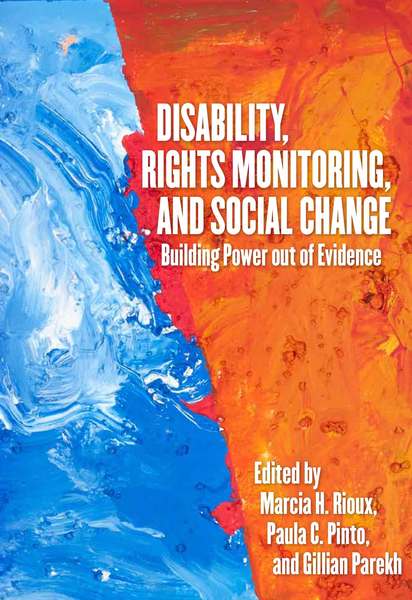
In 2013, the research project Women, Disability and Human Rights in the Middle East (2012-2013) (project budget: 19.600€), was undertaken in collaboration with CAPP/ISCSP and York University (Toronto, Canada). This research involved training 12 women with disabilities from five countries - Egypt, Sudan, Yemen, Jordan and the Palestinian Territories – to carry on a study on their rights through the collection and analysis of key legislation and policies on three areas (violence against women, access to justice and political participation), as well as the elaboration of a report based on these data and on a desk-based research.
From this research a report was issued, drawing from information collected through the DRPI Law and Policy Monitoring Template. This assessment tool had been developed to collect, evaluate, report and track information about protections of the rights of persons with disabilities found in national laws, policies and programs, using the principles and rights established in the Convention on the Rights of Persons with Disabilities (CRPD) and other international human rights instruments as benchmarks.
In the Women, Disability and Human Rights in the Middle East (2012-2013), the DRPI Template was adapted in order to give it a more clear gender focus. Therefore, the tool guided monitors in their work to identify the extent to which national legislative and policy frameworks protected and promoted the human rights of women with disabilities. Through a series of questions and research guidelines, the Template measured both the laws and the programs on the books as well as the degree to which women with disabilities enjoy their rights in practice.
Funded by the international organization Stars of Hopeand developed in collaboration with Disability Rights Promotion International (DRPI), the team included: Paula Campos Pinto (coord.) and Diana Teixeira (research assistant).
News/ Events
CIEG's activities